Put Yourself Out There
Don't Stand Behind What You Have to Offer: Put Yourself Out There
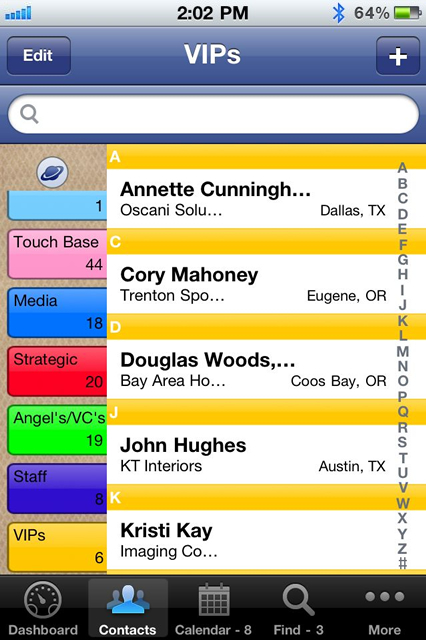
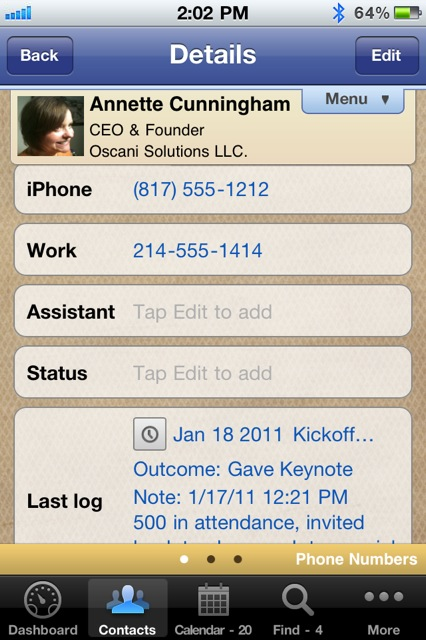
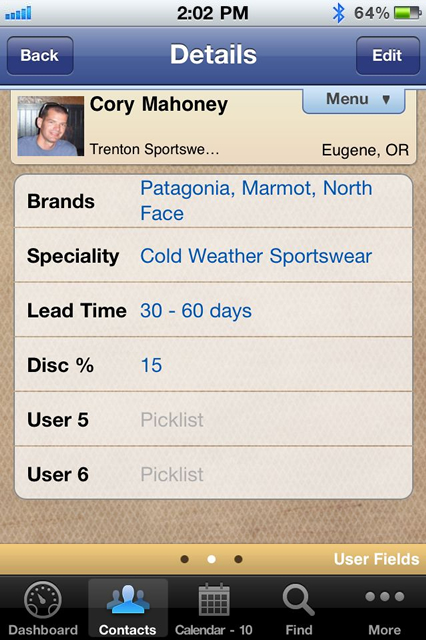
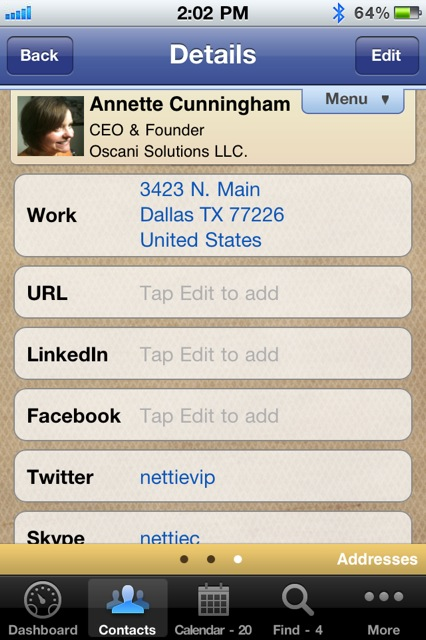
For many years, business has focused nearly entirely—some might argue completely—on the customer. Customer Relationship Management systems, contact managers, Rolodex® systems (yep, they’re still around), notes on business cards, they are all designed to help facilitate a better focus on customers and prospects. These systems help sellers collect data about their customers, things like where they like to vacation, what colleges their kids go to, what their hobbies are. This information can, in fact, make a difference when it comes to selling your product or service. But there is another set of personal details that can be just as effective as what the customer or prospect does, likes, wants, needs.
Is the First “Sale” a What or a Who?
You’ve got something to offer? That’s great. It meets people’s needs? Sure, but yours is not the only one that does. So, what is your most important first step? It isn’t what you’ve got to sell in the way of your product or service. It isn’t your better price. It’s not even your better service, as important as customer service is. You’ve definitely got to differentiate yourself from your competitors. But what is the most unique thing that you have in your arsenal that you can use to stand apart from competition and gain that all-important competitive edge? The answer is YOU!
What the Prospective Customer Needs First
We’ve all heard the notion that “People do business with people they like.” In order to give people the opportunity to “like” you, they’ve got to get to know you, or at least feel as they they’re getting to know you. You can differentiate yourself from competition, first by being liked, and second by being liked more than your rivals. Your initial efforts need to focus on letting customers and prospects get to know you. Don’t tout the kinds of industry-centered credentials; share your personality, your values, your experiences, and in doing so, you’ll provide a sense of your authenticity.
Use Your Customer Data to Share What Matters to Them
Depending on your target market, and what you know about them, share the kinds of qualifications and/or credentials that might interest them. For example, if you’re from the Midwest, which is known for its strong work ethic, let those customers with a similar background know you were raised with those beliefs and how that has played out in your career. This invites a personal discussion between two people of similar viewpoints and experiences before it invites a discussion between two potential business people.
I’ve never read or heard anyone say that people do business with businesses that they like. People do, in fact, do business with people they like. Who you are, and what you are, can give you a very competitive edge. How you choose to share your personality, which facets of it you think are most important to your prospects and customers, and what you choose not to share are all challenges to be addressed on a case-by-case basis, because people don’t all value the same things. Making an effort to showcase who you are in addition to what you have to offer can make what you have to offer all the more attractive. You’re not only selling a product or service. You’re building a mutually beneficial relationship that can mean the difference between failure and success. Don’t stand behind what you have to offer. Put yourself out there, so to speak, and you’ll give people a reason to purchase from you instead of buying from your competition.
Blog Archive
- February, 2013 (1)
- December, 2012 (1)
- November, 2012 (1)
- October, 2012 (2)
- September, 2012 (3)
- August, 2012 (4)
- July, 2012 (1)
- June, 2012 (1)
- May, 2012 (2)
- April, 2012 (2)
- March, 2012 (2)
- February, 2012 (1)
- January, 2012 (1)
- December, 2011 (4)
- November, 2011 (3)
- October, 2011 (5)
- September, 2011 (3)
- August, 2011 (6)
- July, 2011 (7)
- June, 2011 (2)
- March, 2011 (2)
- February, 2011 (1)
 Get VIPorbit
for iPhone and iPad
on the app store
 vipSync
Have multiple devices?
Avoid double entry
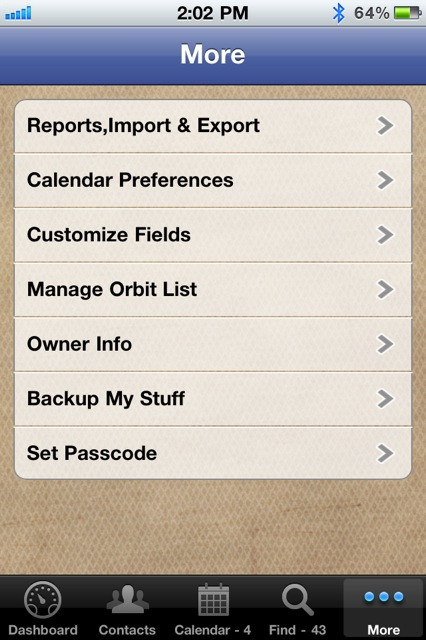
Backup My Stuff
Safeguard your contact
data with ease.